How to Choose a Raw Cane Sugar Supplier for International Trade
Selecting a Raw cane sugar supplier is more than comparing a commodity quotation. Raw sugar can be sold for refining, food processing, blending, or resale, and each use changes the acceptable balance of polarity, color, ash, moisture, and logistics. Buyers also need to understand whether the offer is bagged or bulk, which origin is available, and how quality will be checked before loading.
This procurement guide gives international B2B buyers a practical framework for asking better questions and building a shipment specification. MC INTERNATIONAL produces products it sells and also works with qualified partner companies where relevant; the producer and origin are identified for the specific offer.
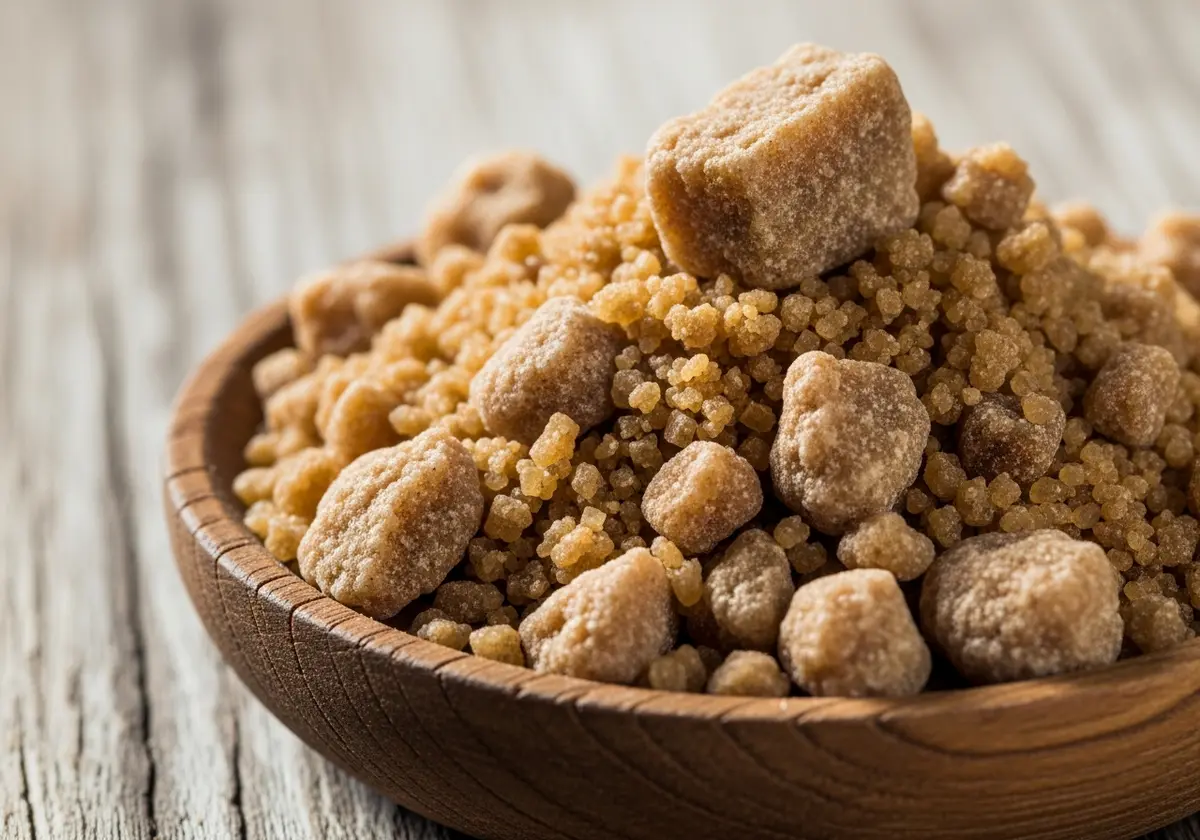
What Raw Cane Sugar Is
Raw cane sugar is partially processed sugar made from sugar cane juice. It has been clarified and crystallized at a mill but retains more color and non-sugar components than refined white sugar. It is commonly purchased as refinery feedstock, industrial ingredient, or a commodity for further processing. The phrase “raw” does not by itself establish a single grade.
A buyer should distinguish standard raw sugar from higher-polarity VHP material and from specialty brown or minimally processed products. Color, molasses content, polarization, ash, and grain profile can differ materially between origins and mills. If a seller quotes only “raw cane sugar,” request the numerical specification before making an application or landed-cost decision.
Parameters that belong in the specification
| Parameter | What to define | Procurement relevance |
|---|---|---|
| Polarization | Minimum or target percentage | Estimates sucrose content and refining yield |
| ICUMSA color | Maximum or agreed range | Indicates color load and process requirement |
| Moisture | Maximum percentage | Affects caking, flow, and storage |
| Ash | Maximum percentage | Indicates mineral content and refining burden |
| Reducing sugars | Maximum percentage | Can influence color and stability |
| Grain size | Range or descriptive class | Handling, dissolution, and refinery behavior |
| Foreign matter | Acceptance limit and inspection | Protects equipment and product integrity |
| Packaging | Bag, big bag, or bulk | Determines loading and receiving equipment |
The exact limits should be tied to the end use. A refinery may be able to process a broader raw-sugar range than a food manufacturer using it as an ingredient.
Start With the End Use
Refinery buyers should calculate expected refined output from the offered polarity and processing conditions, rather than assuming that every ton has the same value. They should also review color and ash because a lower purchase price can be offset by additional clarification, filtration, energy, or waste handling. A food manufacturer should focus on whether the product is approved for direct use, which microbiological tests are available, and whether its customer or regulator requires additional declarations.
For commodity traders and distributors, resale specifications and destination labeling may matter more than a single processing parameter. Define whether the cargo will be sold as raw material, repacked, or sent to another processor. The supplier should know the route and documentation needs early enough to avoid reworking shipping papers.
Comparing a Raw cane sugar supplier and Commercial Offers
Origin can affect crop timing, shipping distance, available grades, and documentation. It should not be used as a shortcut for quality. Compare a current certificate of analysis and lot information from the proposed supply rather than relying on general assumptions about a country. Ask how the supplier manages crop transitions and whether a replacement mill or partner would require buyer approval.
When comparing quotations, normalize the basis. A price may be FOB, CFR, CIF, or another agreed term; the included freight, insurance, port costs, and destination responsibilities differ. Confirm currency, validity period, shipment window, payment method, minimum order, and whether the offer is subject to final mill confirmation. Commodity prices can move, so a responsible seller should state how long the commercial offer remains open.
A useful RFQ structure
Provide destination port, expected annual volume, trial quantity, delivery window, packaging preference, target parameters, and intended use. Ask for:
- the complete technical data sheet;
- certificate of analysis for a comparable lot;
- available loading port and vessel or container plan;
- document list and origin details;
- inspection scope and claim procedure; and
- any quality or price adjustment mechanism.
This creates comparable responses and makes it easier to identify an offer that is technically unsuitable even when its headline price looks attractive.
Inspection, Sampling, and Contract Controls
An independent surveyor can sample and test at loading for the parameters named in the contract. Agree whether analysis is performed at the mill, load port, or an independent laboratory, and define the controlling result. The sampling plan should cover multiple bags or cargo points and retain sealed samples for a reasonable dispute period.
Quality clauses should explain what happens if sugar is usable but outside the premium band. Options include a price adjustment, buyer acceptance subject to deduction, replacement, or rejection at an agreed threshold. A claim clause should include notification deadlines and the documents needed to substantiate a claim. Avoid promising “zero risk”: inspection reduces uncertainty but cannot eliminate transit, storage, or destination-handling risks.
For containers, verify that the container is dry, clean, odor-free, and suitable for food cargo where required. For bulk shipments, define hold cleanliness, moisture protection, loading rate, and survey requirements. Cargo should be protected from rain and condensation because sugar readily absorbs humidity.
Logistics and Storage
Bagged raw cane sugar commonly moves in containers for smaller and medium programs. Larger refinery programs may use bulk vessels where port infrastructure and receiving silos support them. Compare not only freight but also handling labor, demurrage exposure, discharge equipment, and the cost of moving bags from port to warehouse.
At destination, use a dry, ventilated warehouse with stock rotation and clear segregation from odorous or chemical goods. Do not place bags directly against damp floors or walls. Record container condition at opening, photograph any wet or damaged cargo, and preserve lot marks. Moisture-related caking may develop after a seemingly acceptable arrival if storage conditions are poor.
Practical Raw Sugar Buying Checklist
- ☐State whether the use is refining, processing, blending, or resale.
- ☐Define polarity, color, moisture, ash, grain, and foreign-matter limits.
- ☐Request a lot-specific or recent certificate of analysis.
- ☐Confirm origin, mill or partner arrangements, and crop availability.
- ☐Compare offers on the same Incoterm, freight basis, currency, and volume.
- ☐Specify bag construction, net weight, marks, pallet policy, and container limits.
- ☐Agree sampling, independent inspection, retained samples, and claim deadlines.
- ☐Confirm destination documents with your customs broker before loading.
- ☐Inspect containers or vessel holds and protect cargo from humidity.
- ☐Model warehouse capacity, discharge equipment, and demurrage contingencies.
Review the raw cane sugar supplier product page for a starting point. For higher-polarity refinery feedstock, see our VHP sugar exporter guide.
Frequently Asked Questions
Is raw cane sugar the same as VHP sugar?
No. VHP is a higher-polarity category of raw cane sugar. “Raw cane sugar” is broader and must be supported by numerical specifications.
Can raw cane sugar be used in a food factory?
It can be appropriate for some applications, but the buyer must approve the complete specification, legal status, microbiological requirements, and processing performance for its market.
What documents should accompany an export shipment?
Common documents include invoice, packing list, bill of lading, certificate of origin, certificate of analysis, and inspection or health documents where required. The destination authority determines the final list.
How can a buyer reduce moisture damage?
Use clean, dry transport equipment; protect loading from rain; inspect cargo on opening; and store bags off damp surfaces in a ventilated warehouse. Contract language should also define survey and claim procedures.
Does a lower price always mean a better raw-sugar deal?
No. Compare polarity, color, yield, freight, handling, documentation, inspection, and likely processing cost on a landed basis.
Request a Commercial Discussion
Email sales@mcispcoltd.com or WhatsApp +66 99 437 2193 with your destination, volume, target grade, packing format, and shipment timing. MC INTERNATIONAL can confirm available products and qualified supply partners, while the buyer should validate import rules and approve the final specification.