What to Ask a VHP Sugar Exporter Before You Buy
A VHP sugar exporter supplies Very High Polarity raw cane sugar, normally for refineries, industrial processors, or commodity distributors. The commercial value of VHP depends on more than the label: polarity, color, moisture, ash, dextran, loading format, and refinery capability all affect the result. Buyers should therefore compare a documented shipment program rather than selecting an exporter from a headline specification alone.
This guide focuses on international procurement decisions. It explains VHP, how to structure a request, and controls that connect feedstock quality with refinery economics. MC INTERNATIONAL produces products it sells and also works with qualified partner companies where relevant; origin and producer details are confirmed for each transaction.
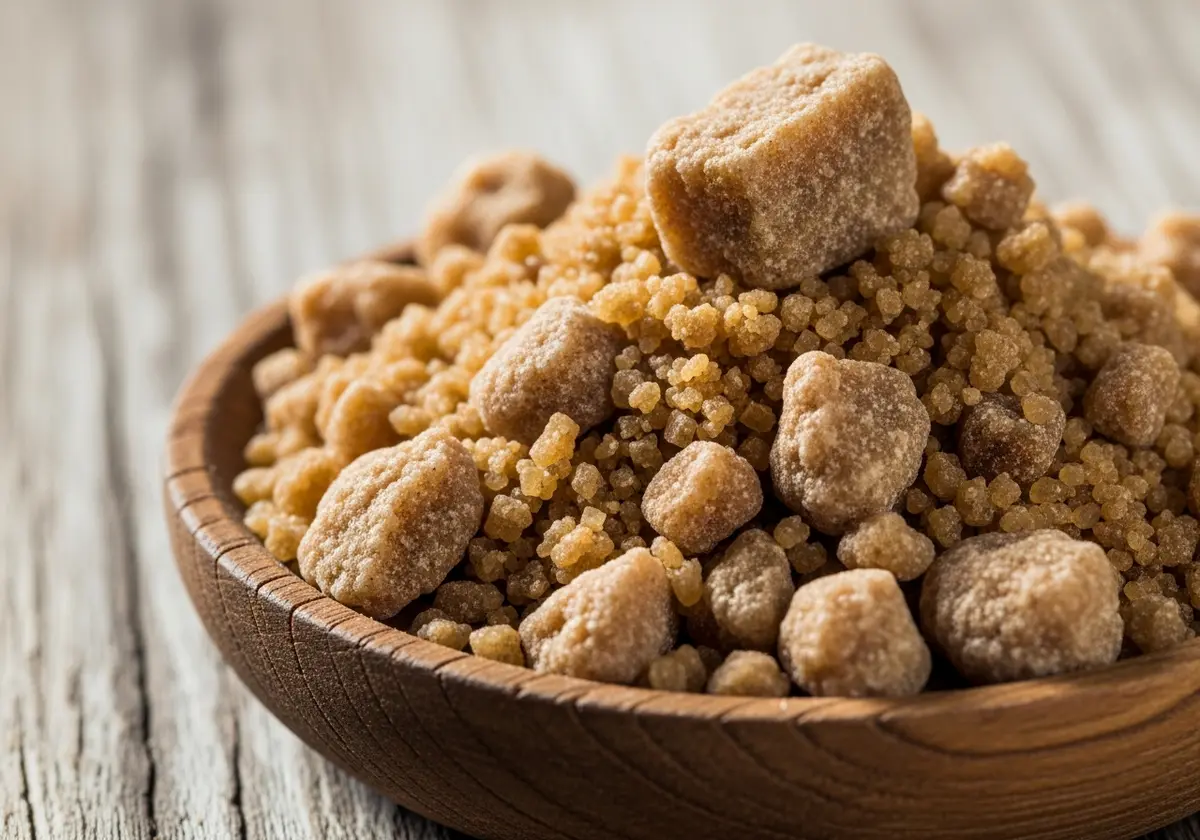
What VHP Means
VHP stands for Very High Pol, where “pol” refers to polarization, an analytical indication of apparent sucrose content. VHP is raw cane sugar that has been processed at the mill but has not become refined white sugar. Its higher polarity can make it attractive to refineries because, all other conditions being equal, more sucrose enters the process per ton of feedstock.
VHP is not a universal single-grade standard. A buyer should ask whether the offer is based on a minimum polarity or a typical range, and should define color and other parameters separately. A contract might distinguish a base VHP specification from a premium band, with an agreed adjustment if the delivered analysis differs.
Parameters to compare in a VHP offer
| Parameter | Example buying definition | Why it matters |
|---|---|---|
| Polarization | Minimum or target, such as 99.0%+ | Feedstock sucrose and yield modeling |
| ICUMSA color | Agreed maximum or range | Clarification and finished-product appearance |
| Moisture | Contractual maximum | Flow, caking, and storage stability |
| Ash | Contractual maximum | Mineral load and refinery process burden |
| Reducing sugars | Agreed maximum | Color formation and stability |
| Dextran | Limit where relevant | Viscosity, filtration, and crystallization behavior |
| Grain size | Coarse or specified distribution | Conveying, melting, and handling |
| Loading format | Bulk, 50 kg bags, or other pack | Port, vessel, and receiving requirements |
The table illustrates discussion points rather than promising a result. The certificate of analysis and signed specification govern the actual shipment.
Connect Polarity to Refinery Planning
Refinery buyers should model a realistic recovery factor rather than multiplying polarity by a simplistic yield assumption. Losses, molasses production, color removal, moisture, equipment efficiency, and operating conditions all matter. Ask your technical team to test the offered range against the refinery’s own mass balance and historical campaign data.
Color can also affect the refining sequence. A somewhat darker raw sugar may be workable with the right process, but can require different clarification, filtration, or carbon/ion-exchange capacity. Dextran and starch deserve attention because they can influence viscosity and filtration. If these parameters matter to your operation, put measurable limits into the specification and request appropriate test methods.
How to Evaluate a VHP sugar exporter
Start with traceability. Request the proposed origin, loading port, producer or partner relationship, crop or production period where available, and lot identification. An exporter should be able to state what it knows and what remains subject to final mill confirmation. MC INTERNATIONAL can produce products it sells and work with qualified partner companies where relevant; transparency about that supply chain is more useful than implying every cargo comes from one owned facility.
Next, review evidence. Request a technical data sheet and a recent certificate of analysis for a comparable lot. Check that the report includes polarity, color, moisture, ash, and any additional parameters your refinery requires. Ask who performed the analysis and whether independent pre-shipment inspection is available. Testing does not remove all commercial risk, but it creates a documented basis for acceptance.
Finally, assess execution. Ask about loading windows, container versus bulk capability, port experience, document preparation, and communication during transit. A technically attractive offer is not useful if the exporter cannot align vessel nomination, hold inspection, customs papers, and your receiving schedule.
Commercial questions worth asking
- Is the quotation FOB, CFR, CIF, or another term, and what costs are included?
- Is the price fixed, index-linked, or subject to a defined market reference?
- What are the minimum shipment and call-off quantities?
- How are polarity and quality adjustments calculated?
- Which independent inspector and laboratory methods are proposed?
- What is the remedy for off-spec cargo or documentary discrepancies?
Commodity markets move, so buyers should seek a clear validity period and avoid treating an indicative quote as a guaranteed future price.
Bulk, Container, and Port Readiness
Large refinery programs often consider bulk vessels, while trial lots, smaller plants, and distributors may use bags in containers. Bulk can reduce handling per ton but requires suitable draft, silos, unloading systems, and clean holds. Containers offer program flexibility but introduce bag handling, container availability, and destination congestion considerations.
For either format, sugar must be protected from rain, seawater, condensation, and contaminated equipment. Agree on hold or container inspection, loading conditions, ventilation, and survey reports. At arrival, photograph seals and cargo condition before unloading. Store bags off the floor and away from strong odors, and rotate stock by lot.
Documents should be planned before booking. Depending on destination, buyers may need commercial invoice, packing list, bill of lading, certificate of origin, certificate of analysis, inspection report, and health, phytosanitary, or fumigation documents where applicable. Requirements differ by jurisdiction, so customs and regulatory review remains the buyer’s responsibility.
Build a Polarity and Quality Clause
A useful VHP contract identifies a reference polarity and a price adjustment per deviation, alongside a clear minimum acceptance threshold. It can also define color, moisture, ash, dextran, and foreign-matter limits. State whether loading-port independent analysis is final or whether destination testing can trigger a claim, and preserve sealed samples for dispute resolution.
Avoid clauses that use “premium quality” without numbers. If a buyer needs a particular refinery behavior, describe measurable parameters and the test method. Graduated deductions may be practical for cargo that remains usable, while a rejection threshold can address material that presents a genuine processing or safety concern. Legal and technical teams should review the final language.
VHP Buyer Checklist
- ☐Confirm the VHP polarity basis and minimum acceptance level.
- ☐Define color, moisture, ash, reducing sugar, and relevant dextran limits.
- ☐Model expected yield using your refinery’s own operating assumptions.
- ☐Request a recent, lot-linked certificate of analysis.
- ☐Agree independent inspection, sampling, laboratory method, and retained samples.
- ☐Select bulk or container format based on port and receiving capability.
- ☐Confirm clean holds or containers and humidity-control procedures.
- ☐Compare the same Incoterm, shipment period, freight assumptions, and payment terms.
- ☐List required origin, customs, health, and inspection documents.
- ☐Put quality adjustments and off-spec remedies into the signed contract.
See the VHP raw cane sugar supplier product page for a product starting point. For broader refinery sourcing context, read our VHP raw cane sugar feedstock procurement guide.
Frequently Asked Questions
Is VHP sugar already refined white sugar?
No. VHP is high-polarity raw cane sugar intended for further processing or other approved industrial uses. It should not be represented as refined white sugar.
What polarity should a refinery request?
The answer depends on the refinery’s equipment, target output, process losses, and commercial basis. Buyers should model several ranges and contract a measurable minimum rather than selecting a number without technical review.
Is bulk shipping always better than containers?
No. Bulk may suit large programs with silos and appropriate port infrastructure. Containers can be practical for smaller or trial programs, despite additional bag handling.
Why include dextran in the specification?
Dextran can affect viscosity, filtration, and crystallization in some refining processes. If it is operationally important, the buyer should specify a limit and a recognized testing approach.
Can an exporter guarantee refinery yield?
No responsible exporter can guarantee a buyer’s finished yield because process equipment and operating conditions differ. An exporter can provide agreed specifications and test evidence for the cargo.
Discuss Your VHP Requirement
Send your target polarity, volume, destination port, packing format, and shipment window to sales@mcispcoltd.com or WhatsApp +66 99 437 2193. MC INTERNATIONAL will discuss available VHP programs and relevant qualified partners; the buyer can then validate the specification, import requirements, and contract terms before proceeding.