Coconut Milk Powder Supplier: A Buyer’s Guide to Dry Ingredient Sourcing
Selecting a Coconut milk powder supplier requires more than checking the fat percentage on a specification sheet. Powder is a concentrated ingredient whose performance depends on spray-drying conditions, carrier system, moisture control, particle behavior, and the process in which it will be reconstituted. A bakery premix, instant soup, plant-based beverage, and confectionery filling may each need a different grade. International buyers should qualify the powder against a real formula and a realistic storage journey.
MC INTERNATIONAL produces products it sells and also works with qualified partner companies where a partner is the appropriate source for a particular dry-ingredient requirement. The producing facility, formula, and documents should be confirmed for each item.
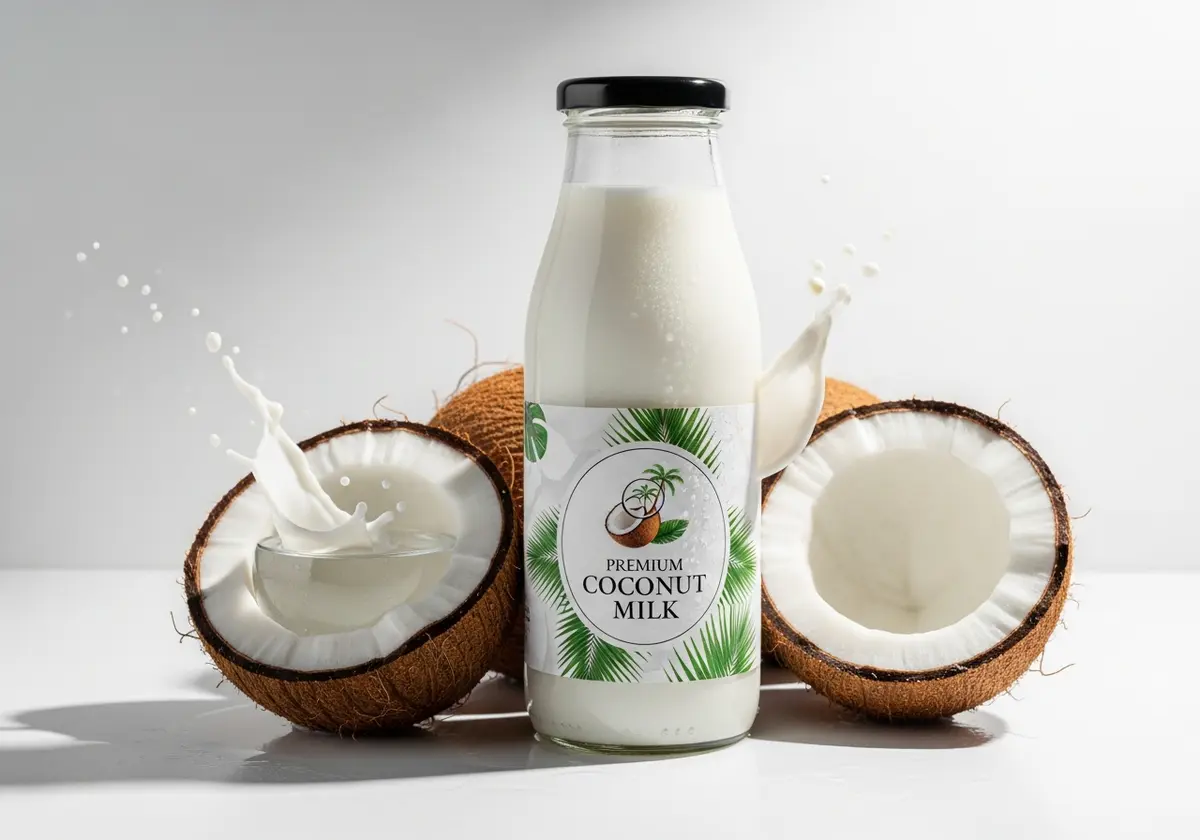
Choosing a Coconut milk powder supplier
Coconut milk powder is generally made by concentrating and drying coconut milk with a carrier or processing aid selected for powder stability and dispersibility. The resulting powder may offer coconut flavor and fat in a shelf-stable, easy-to-dose form, but it is not interchangeable with every liquid coconut milk. A powder can vary in whiteness, aroma, bulk density, particle size, wettability, solubility, and tendency to cake.
Tell the supplier how the ingredient will be used. Will it be blended into a dry instant beverage, mixed into a sauce, baked, extruded, or used as a flavor-and-fat component? State the desired reconstitution ratio and whether hot or cold water will be used. A product that dissolves well in a hot kettle may require different mixing energy for a cold beverage.
Specification comparison for procurement
| Specification | What to confirm | Application impact |
|---|---|---|
| Fat content | Target, tolerance, and test method | Flavor, mouthfeel, and formula cost |
| Moisture | Maximum and analytical method | Caking, shelf life, and microbial risk |
| Carrier | Type, percentage, and declaration | Label, taste, and dietary suitability |
| Solubility/dispersibility | Test temperature and procedure | Mixing speed and sediment control |
| Bulk density | Range and packing method | Silo, scoop, and pack-volume planning |
| Particle size | Range and sieve method | Dusting, blending, and mouthfeel |
| Microbiology | Tests, limits, and lot COA | Release and customer assurance |
| Packaging | Barrier, net weight, and closure | Humidity protection during transit |
Always ask for the full ingredient statement. “Coconut milk powder” may contain a carrier or anti-caking agent, and the permitted choices can affect vegan, allergen, organic, or destination labeling claims. Confirm whether the quoted fat figure is total powder fat or a reconstituted calculation.
Test the powder in a production-like trial
Use the supplier’s recommended reconstitution ratio as a starting point, then test the powder in your own formula. Measure wetting time, lumps, sediment, viscosity, color, aroma, and taste. Repeat after the mixture has stood for the same time as your commercial process. For bakery and confectionery, assess the finished product after the normal bake, cooling, and storage period.
Ask for a retained reference sample from an approved lot. Keep it sealed, labeled, and stored according to the product instructions. If a later lot seems different, compare both samples under the same test conditions before assuming a defect. This creates useful evidence for a technical discussion and helps distinguish raw-material variation from a mixing or storage problem.
Packaging and humidity management
Powder is vulnerable to humidity. A suitable inner bag, sealed closure, and robust outer case or sack are as important as the powder itself. Confirm whether the product is packed in a multilayer bag, lined carton, or another barrier format; ask how opened packs should be resealed. A dry warehouse should be clean, cool, and protected from condensation, odors, pests, and direct sunlight.
During arrival inspection, check for torn bags, broken seals, caking, damp cartons, damaged pallets, and lot-code legibility. Do not open every case unnecessarily, but take a documented sample according to your quality procedure. If there is moisture ingress, isolate the affected lot and contact the supplier with photographs, quantities, and codes.
Shelf life, freight, and landed cost
Powder can reduce water freight and simplify dosing, but a smaller-looking sack does not automatically mean a lower landed cost. Compare usable coconut solids, reconstitution yield, packaging, duty, freight, and storage. Include the cost of any carrier in your calculation and check whether the product’s flavor intensity allows the same finished-recipe result.
Confirm production lead time, MOQ, batch size, and remaining shelf life at shipment. Dry ingredients may move through several warehouses, so a buyer should map the time from production to arrival, customs clearance, and customer delivery. Use FIFO and record opened-pack dates at the manufacturing site.
Receiving, approving, and managing a powder program
The first shipment should have a documented receiving plan. Before the container arrives, give the warehouse the product specification, expected lot codes, case count, and handling instructions. Record container condition, seal number, temperature or humidity observations when relevant, and any evidence of water exposure. A dry powder can appear acceptable from the outside while an inner liner has lost its seal, so inspect representative cases rather than approving a load solely from the outer pallet.
Quality approval should combine identity, analytical, and functional checks. Confirm that the label and lot code match the purchase order, then compare moisture, fat, microbiology, and other agreed tests with the certificate of analysis. Release criteria should state what happens when a result is pending or outside tolerance. A buyer may hold the lot, request additional testing, or pursue a documented disposition; it should not silently blend a questionable lot into production. Retain an unopened reference bag where practical and record the sample location.
Production teams also need practical instructions. Use calibrated scales, avoid scooping directly from an exposed sack, and close the inner liner immediately after each withdrawal. Follow a controlled sequence for adding powder to water or other liquid: excessive dumping can create surface lumps that are difficult to disperse later. Record batch number and opening date on any transferred container. These controls help distinguish a supplier issue from moisture exposure or a mixing error inside the factory.
The receiving team should also reconcile physical quantity with commercial documents. Count cases and compare the result with the packing list, then record short shipments before pallets are broken down. Check that outer labels show the correct product code, net weight, lot, and best-before information. If a shipment contains multiple lots, segregate them until quality has reviewed the documents. This discipline is especially useful for manufacturers supplying several recipes, because a traceability record can identify which finished batches received which powder lot. Keep the warehouse layout simple: separate approved, pending, and rejected material, and make status visible to staff who issue ingredients to production.
For repeat purchasing, review complaints and trial results by lot. If a customer reports weak coconut flavor, sediment, or caking, compare the affected lot with the retained sample and check storage history before requesting a corrective action. A meaningful corrective-action discussion identifies the lot, condition, test method, photographs, and production impact. This evidence supports improvement without assuming that every visual difference represents a food-safety or specification failure.
Practical coconut milk powder checklist
- ☐Define finished application, reconstitution ratio, and mixing temperature.
- ☐Specify fat, moisture, carrier, bulk density, particle size, and solubility.
- ☐Request full ingredients, nutrition, allergen, technical sheet, and COA example.
- ☐Run a production-like sample trial and record acceptance results.
- ☐Confirm microbiological testing and lot-release documentation.
- ☐Verify barrier packaging, pack weight, pallet pattern, and storage instructions.
- ☐Model cost per kilogram of usable coconut solids, not only sack price.
- ☐Check destination labeling, dietary claims, and additive requirements.
- ☐Agree MOQ, lead time, shelf life at shipment, Incoterm, and claims process.
- ☐Inspect seals, caking, moisture damage, and lot codes on arrival.
Discuss your powder requirement with MC INTERNATIONAL
Visit the coconut milk powder supplier page to begin a specification discussion. MC INTERNATIONAL produces products it sells and works with qualified partner companies where relevant. It does not claim that every format comes from one facility; the producing source, available pack, and documentation are confirmed for the product selected. Buyers comparing formats can also read our Thai coconut products supplier guide.
Email sales@mcispcoltd.com or WhatsApp +66 99 437 2193 with your destination, application, target fat, annual volume, and required certifications. The team can discuss feasible options and samples; final suitability should be established through your technical trial and agreed specification.
Frequently asked questions
Is coconut milk powder the same as dried coconut milk?
Names vary by market. Review the ingredient statement and technical specification to understand the coconut solids, carrier, processing method, and intended reconstitution. The label name alone is not enough for formulation work.
Does a higher fat percentage always make a better powder?
No. Higher fat may add richness, but it can change flow, stability, dispersibility, and cost. The best grade is the one that meets the finished product’s sensory and process requirements.
How should unopened powder be stored?
Follow the supplier’s product instructions, generally using a clean, cool, dry area away from humidity and strong odors. Keep cases off the floor and rotate by lot and expiry.
Can I use the powder in a cold beverage?
Possibly, but cold dispersion must be tested separately from hot reconstitution. Check wetting, lumps, sediment, mouthfeel, and stability through the intended shelf life.
Does MC INTERNATIONAL manufacture every powder it supplies?
No. It produces products it sells and also works with qualified partner companies where relevant. Confirm the specific producing facility and lot documentation in the quotation and order.