Barista Coconut Milk Supplier: Sourcing for Coffee and Foodservice
A Barista coconut milk supplier should be evaluated at the steam wand, not only on a product catalogue. Coconut milk intended for coffee must interact with espresso acidity, heat, air, and the operator’s technique while delivering a pleasant flavor. A carton that works in a smoothie may split, foam poorly, or overpower coffee. For cafés, distributors, and beverage brands, the buying decision combines sensory performance with shelf-life, packaging, repeatability, and supply planning.
MC INTERNATIONAL produces products it sells and also works with qualified partner companies where a qualified partner is the better source for a requested format or capacity. A barista specification should be confirmed with samples and a practical trial before commercial approval.
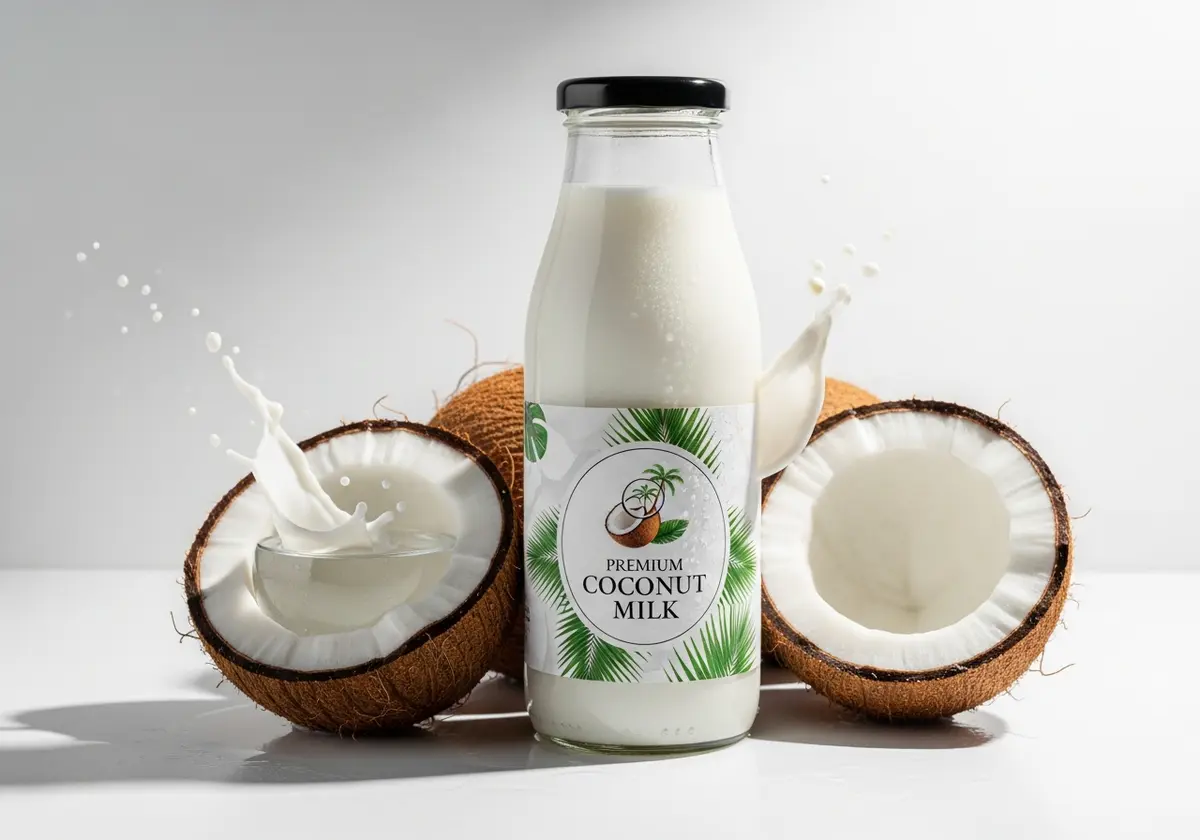
Evaluating a Barista coconut milk supplier
Barista use typically requires a balanced emulsion, enough body for latte texture, and predictable steaming behavior. The product must pour consistently, integrate with espresso, and avoid excessive splitting during service. Sugar level, fat content, protein or other solids, acidity regulators, and stabilizers can all affect the result. “Barista” is a use description rather than a universal technical standard, so the buyer should define measurable and sensory criteria.
Test the milk in the coffee recipes customers actually order: espresso, iced drinks, cappuccino, latte, and flavored beverages if relevant. Use the café’s machines, grinder, water, cup size, and normal steaming procedure. A laboratory trial can help, but it does not replace a barista trial with more than one operator.
Barista specification and trial table
| Attribute | What to assess | Useful buyer question |
|---|---|---|
| Flavor | Coconut intensity, sweetness, finish | Does it complement or dominate the coffee? |
| Steam performance | Temperature range, texture, heating time | Does it create a repeatable microfoam? |
| Foam retention | Collapse and separation during service | How long does the drink remain presentable? |
| Emulsion stability | Splitting with espresso or heat | Does it remain smooth in the target recipe? |
| Body | Mouthfeel and pour behavior | Is the latte full enough without heaviness? |
| Ingredients | Oils, sugars, stabilizers, fortification | Do label and dietary requirements match? |
| Pack format | 1L carton, foodservice case, or other | Can staff store and use it efficiently? |
| Shelf life | Total and remaining at delivery | Can distribution support café turnover? |
Record the coffee bean, roast, water, temperature, steaming time, and result. Coffee acidity varies considerably, and a milk that performs well with one roast may need adjustment with another. Define pass criteria such as smooth pour, acceptable foam after a set period, no visible curdling, and an agreed flavor profile.
Ingredients and label considerations
Some barista products use a stabilizer system or added oil to improve texture and foam. That may be appropriate, but it must be declared and accepted by the buyer’s market. A buyer promoting vegan, allergen-conscious, organic, or “short ingredient list” positioning should verify every ingredient and supporting claim. The importer remains responsible for checking local label and food regulations.
Ask whether the product is sweetened, fortified, or flavored. Unsweetened coconut milk may suit specialty coffee, whereas a sweetened product changes beverage recipes and nutrition information. If the product is sold in multiple countries, review language, nutrition, additive, recycling, and importer-address requirements for each destination rather than reusing an unverified label.
Packaging for cafés and distributors
One-litre aseptic cartons are common for foodservice because they are easy to pour and store at ambient temperature before opening, but pack size and opening-life instructions must fit the café. A small café may prefer a format that can be consumed quickly after opening; a distributor serving busy chains may prioritize case efficiency. Confirm storage temperature, shaking instructions, refrigeration after opening, and the recommended use period once opened.
Inspect cartons for crushed corners, leaking seams, punctures, and illegible lot codes. Aseptic packaging relies on barrier integrity, so a visibly compromised carton should be isolated. Measure case dimensions, pallet count, and gross weight for the delivery route. A product that performs well but arrives with poor case protection can create avoidable waste at the café.
Consistency and supply planning
A café rollout needs more than a successful first sample. Ask how product specifications are controlled between lots and how a change in ingredient, pack, or facility is communicated. Keep an approved sample and written sensory criteria. Schedule a revalidation if there is a material change in formulation, packaging, or source.
Forecast by cases and by opened units, not only by annual liters. Consider launch sampling, promotions, seasonal coffee demand, and the time required to register or approve a new label. Confirm MOQ and lead time for standard and private-label packs. If a program depends on one shipping window, discuss a realistic buffer and alternative delivery plan with your logistics provider.
Practical barista sourcing checklist
- ☐Define coffee recipes, roast profiles, cup sizes, and target consumer taste.
- ☐Test steaming, pouring, iced use, and espresso integration with café equipment.
- ☐Record temperature, time, foam retention, flavor, and separation results.
- ☐Specify sweetened or unsweetened status, fat/body target, and ingredients.
- ☐Confirm allergen, vegan, organic, fortification, and local label requirements.
- ☐Check carton integrity, case count, pallet configuration, and storage instructions.
- ☐Confirm total shelf life, minimum remaining life, and opening-life guidance.
- ☐Request a technical sheet, nutrition panel, allergen statement, and COA example.
- ☐Agree sample approval, change notification, MOQ, lead time, and claims process.
- ☐Build FIFO rotation and operator instructions into the launch plan.
Request a barista coconut milk sample
Review the barista coconut milk supplier product page and send the team your coffee and distribution requirements. MC INTERNATIONAL produces products it sells and works with qualified partner companies where relevant; it does not represent that every format is made in one facility. The specific source, formulation, availability, and documents should be confirmed before approval. For a broader format view, read the Thai coconut products supplier guide.
Email sales@mcispcoltd.com or WhatsApp +66 99 437 2193 with destination market, pack size, forecast cases, intended coffee use, and label needs. The team can discuss samples and feasible supply options. Performance depends on the coffee, equipment, and operator, so a trial remains an honest and necessary part of the decision.
Frequently asked questions
Is barista coconut milk suitable for every coffee?
No. Roast, espresso acidity, water, recipe, and steaming technique influence the result. Trial the product with the coffees and equipment used in the target cafés.
What should I look for during steaming?
Assess heating control, foam texture, pourability, separation, and flavor. Record results at the normal service temperature and after the drink stands for the period relevant to your customer experience.
Does higher fat guarantee better foam?
No. Fat, solids, stabilizers, and process all contribute to texture. A higher-fat product may taste richer but still need formulation and technique testing for foam performance.
How should opened cartons be handled?
Follow the product’s storage and opening-life instructions. In general, refrigerate promptly after opening, keep the carton closed, and use it within the stated period; cafés should manage stock by opening date.
Can MC INTERNATIONAL provide private-label barista coconut milk?
A private-label program may be assessed based on pack format, artwork, MOQ, and facility capability. Confirm feasibility and lead time for the exact destination and specification.
Does MC INTERNATIONAL manufacture every barista product it supplies?
No. It produces products it sells and also works with qualified partner companies where relevant. The producing source and supporting documentation are confirmed for each selected item.