Urea fertilizer exporter Thailand: how international buyers can source responsibly
Choosing a Urea fertilizer exporter Thailand partner requires more than finding a company near a seaport. Thailand may function as an export and logistics hub, while the physical urea may be produced in Thailand or supplied by a qualified partner elsewhere. A serious quotation should make that distinction clear. Importers need a product specification, transparent origin information, workable shipping terms, and matching documents before committing working capital.
This guide is for distributors, agricultural importers, blenders, and institutional buyers comparing Thailand-based supply channels. It focuses on questions that affect a real transaction: what is being sold, where it originated, how it is inspected, and how it will arrive at your warehouse.
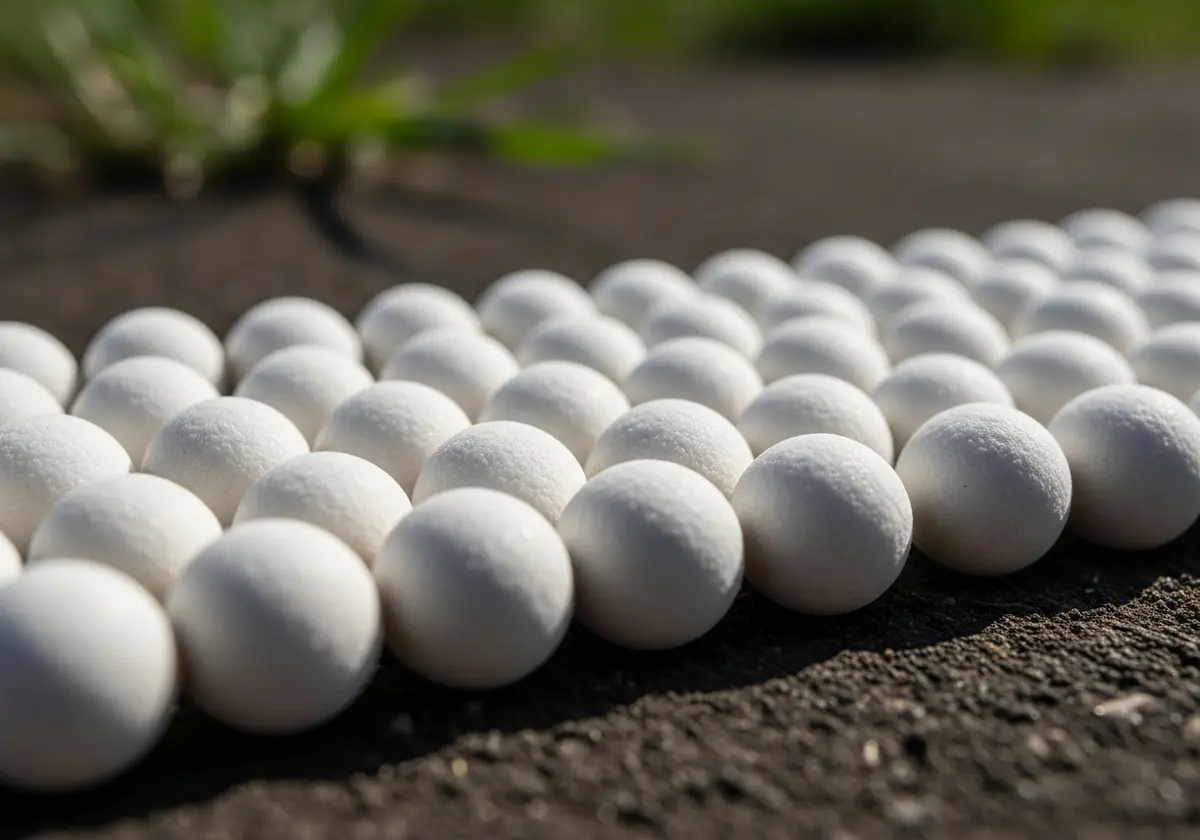
Urea fertilizer exporter Thailand: what to verify first
What a Thailand-based urea exporter actually does
A Thailand-based exporter can coordinate sourcing, quality control, export documentation, booking, packing, and communication with the destination importer. Its location may offer access to regional ports and established freight routes. That is useful, but location alone is not proof that the urea was manufactured locally.
MC INTERNATIONAL produces products it sells and also works with qualified partner companies where relevant. For a particular lot, the commercial offer should identify the proposed product, supplier or production source where appropriate, loading point, and country of origin. Buyers should avoid language such as “Thai urea” when it could imply Thai manufacture without evidence. Origin can affect customs duty, labeling, tender eligibility, sanctions screening, and the documents required by the destination authority.
Ask for origin disclosure in writing before approving artwork or a purchase order. If cargo is consolidated or transshipped through Thailand, the transit or export hub does not automatically change the product’s origin. Your broker can then apply the correct origin rule and preferential-tariff treatment, if any.
Product and specification checks before quotation
Urea is commonly traded as granular or prilled material with nominal nitrogen content of 46%. The right choice depends on blending equipment, spreader settings, dust tolerance, storage, and the end market. Do not treat a product name as a complete specification; request a current technical sheet and lot-related quality evidence.
| Item to confirm | Why it matters to the importer | Evidence or question |
|---|---|---|
| Product form | Granules and prills behave differently in blending and application | Granule size distribution and product description |
| Nitrogen content | Determines the declared grade and agronomic use | Certificate of analysis (COA) for the offered lot |
| Biuret and moisture | Relevant to crop suitability, caking, and storage | Test values, test method, and specification limits |
| Particle size | Affects spreading uniformity and blend segregation | Typical range plus sieve analysis |
| Appearance and condition | Helps identify contamination or excessive handling | Representative sample, photos, or pre-shipment inspection |
| Net weight and packaging | Influences customs, warehouse planning, and claims | Bag size, tolerance, liner, pallet, and loading plan |
| Origin | Required for compliance and landed-cost calculation | Written country-of-origin declaration |
| Delivery basis | Defines who pays freight, insurance, and destination charges | Incoterm, named place, shipment window |
The COA should be connected to a batch or lot rather than being a generic brochure. If the destination requires independent inspection, define the inspection company, sampling point, and cost allocation in the sales contract. Inspection does not remove the buyer’s responsibility to check local fertilizer registration and import rules.
Thailand export route or Thai origin? Use precise documentation
International buyers should separate four descriptions in their procurement file:
- Manufacturing origin: where the urea was produced.
- Exporting entity: the company issuing the commercial invoice.
- Port of loading: where the cargo enters the international shipment.
- Destination and final importer: where it will be cleared and sold.
These fields may all be different. A Thailand export hub can still be commercially efficient when the exporter manages quality control and documentation well. However, a certificate of origin, bill of lading, invoice, packing list, and COA must not contradict one another. Request draft documents early enough for your customs broker to review them. Never ask a supplier to describe transshipment as manufacturing origin.
Packaging, loading, and moisture management
Urea absorbs moisture and can cake when exposed to humidity or condensation. Select packaging around your handling system and climate rather than choosing the cheapest bag. Common options include 50 kg PP woven bags, PE-lined bags, and 500 kg–1,000 kg FIBCs. Granular product may also be shipped in bulk for buyers with enclosed receiving and storage infrastructure.
Specify whether bags are loose-loaded or palletized, how many units are in each container, and whether a liner is included. A warehouse receiving 50 kg bags manually has different requirements from a blending plant using forklifts and conveyors. Confirm that the container is clean, dry, odor-free, and suitable for fertilizer. At destination, keep bags under a roof on pallets or another barrier above the floor, away from leaks and direct sunlight. Rotate stock using lot numbers and inspect for torn bags, wet patches, and caking on arrival.
Commercial and logistics due diligence
A competitive offer is not necessarily the lowest nominal price. Compare the same grade, packaging, quantity, origin, shipment period, currency, and delivery basis. Ask whether quoted freight is indicative or firm, and identify charges excluded from the offer. For containerized cargo, verify estimated payload, free time, destination handling, and whether loose loading changes discharge labor. For larger programs, discuss vessel, port draft, terminal capacity, and storage before choosing bulk shipment.
Buyer checklist for a Thailand sourcing partner
- ☐State the exact target product: granular, prilled, or another agreed form.
- ☐Request a current specification and lot-linked COA.
- ☐Record manufacturing origin separately from Thailand export or transit location.
- ☐Confirm fertilizer registration, labeling, and import permits in the destination market.
- ☐Agree bag size, liner, printing language, palletization, and loading method.
- ☐Verify inspection, sampling, and claim procedures before production or loading.
- ☐Compare Incoterm, named port, shipment window, and destination charges.
- ☐Check container cleanliness, moisture protection, and arrival inspection steps.
- ☐Confirm payment milestones and the documents released against payment.
- ☐Keep a retained sample, photos, seal number, and batch records for traceability.
For a broader product overview, see the fertilizer supplier and urea sourcing page. Buyers comparing physical forms can also read prilled versus granular urea.
Frequently asked questions
Does a Thailand exporter mean the urea is made in Thailand?
No. Thailand can be the exporter’s business location or a logistics hub, while production occurs elsewhere. Ask for a written manufacturing country of origin and ensure the invoice, origin certificate, and customs declaration use accurate descriptions.
What documents should an importer request?
At minimum, discuss a commercial invoice, packing list, bill of lading, certificate of origin where applicable, product specification, and lot-linked COA. Destination authorities may require registration, import permits, safety information, or additional inspection reports.
Is granular urea better than prilled urea?
Neither is universally better. Granules are often selected for mechanical spreading or blending, while prills may suit other handling and application systems. Compare size distribution, dust, storage conditions, and your equipment against the actual specification.
How can I reduce caking during a sea shipment?
Use appropriate moisture-resistant packaging, load only into clean and dry equipment, protect cargo from rain and condensation, and store it under cover on a raised surface. Caking risk also depends on product condition, voyage conditions, and warehouse humidity.
Can MC INTERNATIONAL arrange custom bags?
Packaging options and private-label requirements can be discussed for an identified product and destination. Confirm artwork, regulatory text, minimum quantity, inspection, and lead time before approving production. Availability depends on the supply program.
What information should a first inquiry include?
Send destination country and port, annual or trial quantity, preferred product form, bag size, target delivery window, required origin, and delivery term. This gives the sales team enough context to propose a comparable supply route rather than an ambiguous spot quotation.
Request a transparent export proposal
MC INTERNATIONAL can review your destination requirements, product form, packaging, and shipment plan. We will clarify whether a proposed lot is produced by MC INTERNATIONAL or sourced through a qualified partner, and we will not represent a logistics hub as manufacturing origin. Email sales@mcispcoltd.com or message WhatsApp +66 99 437 2193 with your specification and destination. A quotation remains subject to product availability, documentation review, and mutually agreed commercial terms.