Refined Corn Oil Supplier Guide for Food Manufacturers
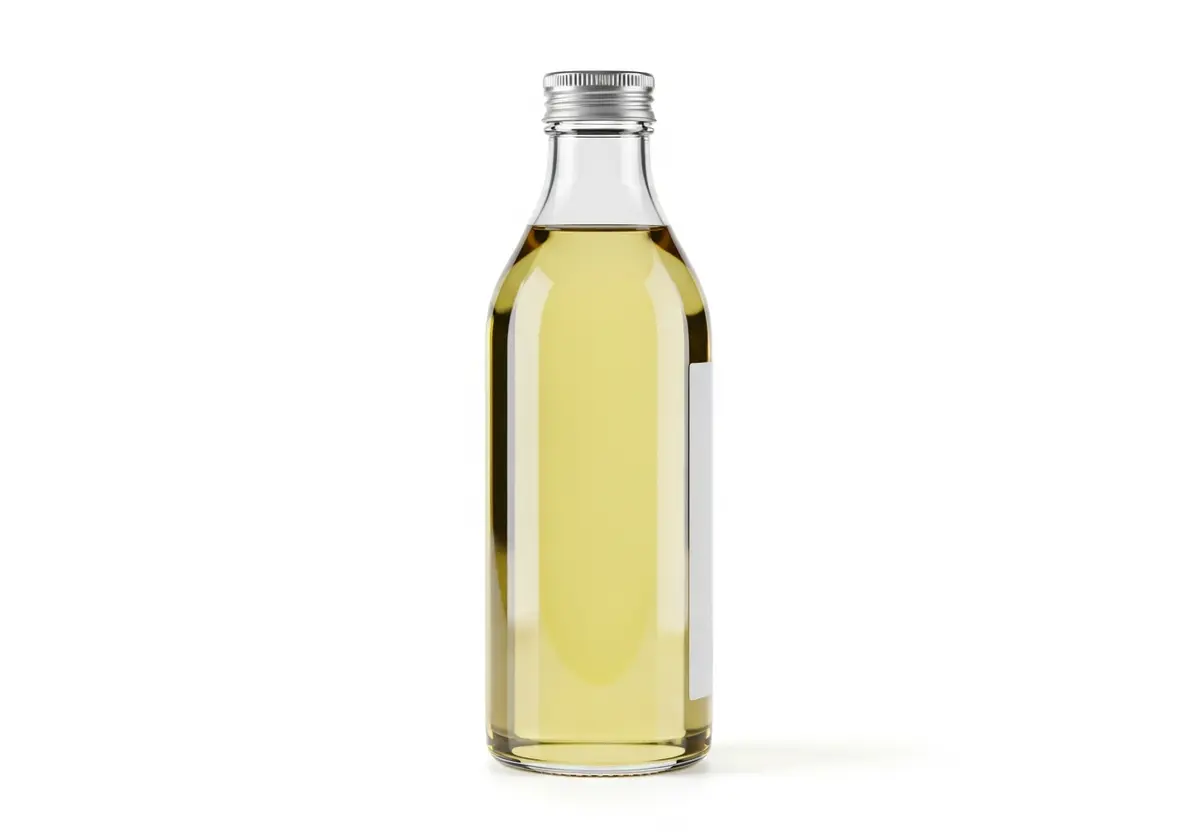
Choosing a Refined corn oil supplier involves matching a mild oil to the buyer’s recipe, compliance requirements, and logistics capability. Corn oil may be considered for frying, dressings, sauces, mayonnaise, bakery, and retail products where a neutral or light flavor is useful. International buyers also need to establish grade, origin, GMO position, contaminant controls, packaging, shelf life, and the documents required at import.
This guide is designed for procurement and technical teams, not a one-size-fits-all purchase. Refining, crop conditions, storage, and contractual limits influence delivered oil. Validate the exact lot and destination requirements before commitment.
Translate the recipe into buying requirements
Describe how the oil will be used. A dressing maker may prioritize clarity, cold storage behavior, flavor neutrality, and emulsion performance. A bakery may focus on mouthfeel, consistency, dosage, and impact on finished-product shelf life. A frying operation should describe temperature, residence time, turnover, filtration, replenishment, and acceptable color or flavor change. A private-label distributor adds bottle, cap, label, carton, pallet, and barcode requirements.
State monthly or annual volume, preferred pack, destination port, warehouse climate, and receiving equipment. Mention whether claims such as non-GMO, Halal, Kosher, organic, or sustainability are legally or commercially necessary. A supplier cannot quote a useful solution if “food grade” is the only brief.
Build a written specification
Ask for the oil type, grade, country or region of origin, refining description, storage conditions, and shelf-life basis. A commercial specification often includes FFA, peroxide value, moisture and impurities, color, odor, iodine value, fatty-acid profile, and contaminants relevant to the product and law. Confirm test methods and acceptance limits before comparing supplier data.
RBD means refined, bleached, and deodorized. These stages are intended to remove gums and free fatty acids, reduce pigments, and remove unwanted volatile odors. They do not make every corn oil interchangeable. Different lots can vary in color, profile, storage history, and performance. Ask whether the material is pure corn oil or a blend, and ensure the description is suitable for your label and local regulation.
Application comparison
| Oil | Useful starting applications | Technical questions | Commercial questions |
|---|---|---|---|
| Refined corn oil | Dressings, sauces, frying, bakery | Clarity, flavor, FFA, peroxide, profile | Origin, GMO status, pack format |
| Refined soybean oil | Frying, mayonnaise, bakery, prepared foods | Oxidation and profile | Availability, identity documentation |
| Refined sunflower oil | Retail, frying, light-flavor foods | Linoleic or high-oleic grade | Consumer positioning, origin |
| RBD palm olein | High-volume frying and snacks | Cloud point, melting behavior | Bulk handling and sustainability |
| Refined canola oil | Neutral recipes, dressings, bakery | Erucic acid and profile | Legal definition and documentation |
This comparison helps frame a trial; it is not a substitute for the agreed COA limits. One oil’s performance cannot be inferred solely from its reputation or price.
Documents from a Refined corn oil supplier
Request a current technical data sheet and a lot-specific Certificate of Analysis (COA). Check batch number, production or packing date, best-before date, test results, and the relationship between the COA and the material being shipped. Retain the approved sample and compare it with the arriving lot.
Corn products may raise questions about GMO status, allergen communication, origin, and contaminant testing. Requirements differ by destination, so ask the importer or local adviser what evidence is needed. If a customer requests Halal, Kosher, organic, or sustainability documentation, confirm the scope and validity rather than assuming a generic logo satisfies the claim.
For a first order, independent inspection can verify quantity, packaging, seals, loading condition, and selected laboratory results. Put the inspection company, sampling method, timing, and cost in the purchase agreement. A certificate should identify the same lot as the commercial documents. Buyers should also verify exporter identity and bank details through a trusted company contact.
Choose packaging and shipping terms
Bottles suit retail distribution but bring label, carton, pallet, and light-protection decisions. Jerrycans or drums can suit foodservice and smaller processors. IBCs can reduce handling where the warehouse has the right equipment. Flexitanks may work for a full container of bulk oil when discharge, liner, cleaning, and storage arrangements are prepared.
Ask the supplier to state net weight, pack count, pallet pattern, container payload, loading port, destination port, Incoterm, insurance, lead time, and payment terms. Compare FOB, CFR, and CIF offers only after understanding which freight and destination costs are included. Confirm food-contact materials, closure integrity, seal procedure, and temperature exposure during loading and transit.
The receiving site should have clean, dry, food-suitable tanks or shelves. Protect oil from heat, sunlight, moisture, and strong odors. Establish first-in, first-out stock rotation and keep records of lot numbers, quantity, and condition at receipt. Shelf life is meaningful only when the product is stored under the agreed conditions.
Trial the oil in the finished process
For a dressing or mayonnaise, compare emulsion stability, flavor, appearance after cold storage, and finished-product shelf life. For frying, record temperature, color, foam, absorption, filtration load, replenishment, and flavor carry-over. For baking, compare handling, texture, aroma, and finished-product stability. Use normal equipment and controls, and keep a reference batch.
Do not ask a supplier to guarantee an outcome controlled by your formulation and process. Instead, share the application and trial results so the supplier can confirm whether the grade remains appropriate. If a change in origin, refining, pack, or specification is proposed later, repeat the approval step.
Practical sourcing checklist
- ☐Application, recipe, process temperatures, volume, climate, and destination are documented.
- ☐Product identity, purity or blend status, origin, and grade are clearly stated.
- ☐FFA, peroxide value, moisture, impurities, color, odor, profile, and contaminants are agreed.
- ☐GMO, allergen, Halal, Kosher, organic, and sustainability documents are requested only as needed.
- ☐Sample approval and a production trial cover the actual end use.
- ☐COA, lot number, shelf life, storage, and test methods are traceable.
- ☐Bottle, drum, IBC, or flexitank format matches receiving equipment and sales channel.
- ☐Payload, pallet pattern, port, Incoterm, insurance, lead time, and payment are written.
- ☐Inspection, sampling, claims, and off-spec remedies are included in the contract.
Organize a lower-risk first shipment
Select one grade and one pack format for the initial commercial order. Avoid changing the oil and recipe at the same time. Review arrival condition, packaging damage, color, odor, and COA results at receipt. Then run the oil through production and compare yield and finished-product data with the approved sample.
For recurring orders, share a forecast while recognizing that agricultural supply and freight conditions can change. Define volume variation, delivery windows, price adjustments, and notice for a changed origin or route. Keep retained samples and receiving records.
MC INTERNATIONAL produces products it sells and also works with qualified partner companies where relevant. Review the refined corn oil supplier product page, explore the bulk edible oils category, and read our bulk edible oil buyer guide. For a quotation, send application, volume, packaging, destination, and documentation needs to sales@mcispcoltd.com or WhatsApp +66 99 437 2193. The team can discuss available supply without replacing the buyer’s technical and regulatory approval process.
Frequently asked questions
Is refined corn oil neutral in flavor?
It is commonly selected for a mild profile after refining, but flavor can vary by grade, refining, storage, and contamination. Approve a representative sample in the intended finished product.
What should the COA include?
At minimum, it should identify the lot and report the parameters agreed in the specification, such as FFA, peroxide value, moisture and impurities, color, odor, and relevant profile or contaminant results. The exact list depends on use and law.
How do GMO requirements affect sourcing?
Some markets and customers require a declaration or identity-preservation evidence. Tell the supplier early, define the required documents, and verify that the claim applies to the offered lot and supply chain.
Is bulk shipping better than bottles?
It depends on volume and equipment. Bulk formats can reduce packaging per unit, while bottles simplify retail distribution. Compare handling, payload, storage, label, and discharge costs rather than assuming one format is always cheaper.
Can corn oil be used for frying?
It can be used in suitable frying applications, subject to the grade, process conditions, turnover, and local requirements. Validate performance in the actual fryer and monitor oil and finished-food quality.