Long Grain White Rice Supplier Guide for Global B2B Buyers
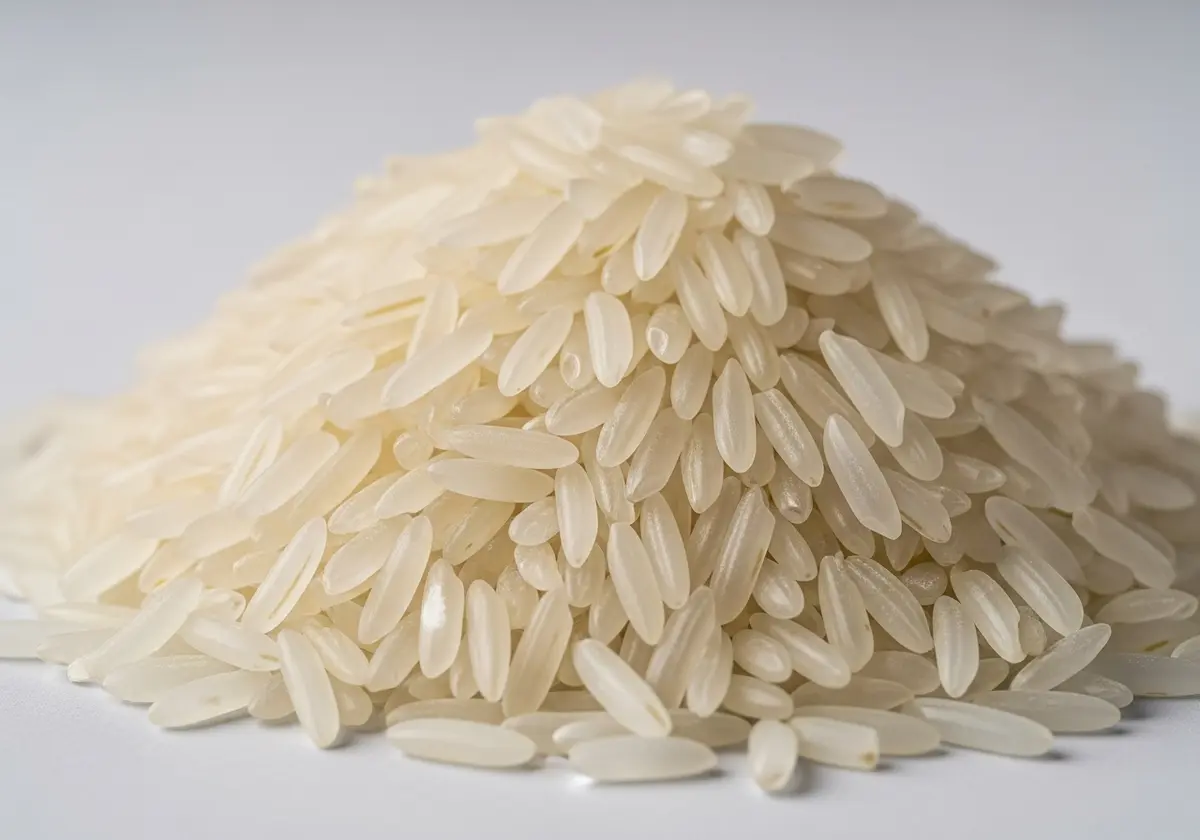
Selecting a Long grain white rice supplier is a specification and logistics decision, not only a commodity purchase. Importers, wholesalers, caterers, and food manufacturers need to match grain length, broken-rice tolerance, milling quality, moisture, packaging, and documentation to a real application. A product that works for a restaurant distributor may be unsuitable for a retail brand or a ready-meal factory.
Long grain white rice is valued for grains that remain relatively separate after cooking, but “long grain” alone does not define one universal grade. Origin, variety, milling, crop, and storage influence appearance and performance. This guide helps buyers prepare a clear inquiry, compare offers, and establish an accountable first order.
Define the job before contacting a long grain white rice supplier
Start with the finished use. A wholesaler may need an economical 25 kg bag for restaurants. A supermarket brand may require a polished appearance, exact artwork, and a consistent retail pack. A meal producer may care more about yield, holding time, reheating, and compatibility with automated dosing. A humanitarian or institutional buyer may prioritize a straightforward specification, fast documentation, and predictable container loading.
Write down:
- Destination country and port, including any special import controls
- Annual volume, trial quantity, shipment frequency, and preferred delivery window
- Intended use and cooking method, including steaming, boiling, batch cooking, or retort
- Required grain type, broken percentage, milling quality, moisture, and foreign-matter limits
- Pack sizes, bag material, private-label requirements, pallet preference, and warehouse capacity
- Required certificates, origin documents, and payment or Incoterm expectations
This brief prevents a supplier from quoting a different grade simply because the product name sounds similar.
Supplier identity and traceability
Ask whether the offered rice is produced by MC INTERNATIONAL or supplied through a qualified partner company. Confirm who mills, packs, and inspects the lot, and which party handles quality questions. Clear roles make documents and claims easier to verify.
Long grain white rice supplier comparison by grade
The table is a procurement framework. Final values should come from the current technical sheet, sample, contract, and lot-specific certificate of analysis.
| Buying option | Typical commercial fit | Main benefit | Points to specify before purchase |
|---|---|---|---|
| Premium long grain white rice | Retail, foodservice, branded distribution | Cleaner appearance and stronger shelf presentation | Broken tolerance, milling level, grain length, crop, label claim |
| Standard long grain white rice | Restaurants, wholesalers, institutional use | Practical balance of function and cost | Cooking yield, broken grains, moisture, foreign matter |
| Higher-broken long grain grade | Food manufacturing, prepared foods, value channels | Can suit recipes where appearance is less critical | Exact broken range, flour/dust, cooking behavior, price basis |
| 5 kg retail pack | Supermarkets, e-commerce, specialty stores | Convenient consumer handling | Bag barrier, artwork, barcode, carton and pallet configuration |
| 25 kg commercial pack | Restaurants, distributors, factories | Efficient handling for professional users | Bag strength, lifting, palletization, receiving equipment |
| Bulk or larger industrial format | High-volume production | Fewer handling steps and potentially lower packaging use | Discharge equipment, liner, payload, storage and lot traceability |
Review the product pages for Long Grain White Rice 5 kg and Long Grain White Rice 25 kg when deciding which pack format fits your distribution model. Buyers importing several Thai rice categories can also use the Thai rice import documentation checklist as a preparation reference.
Translate “quality” into measurable specifications
Request a technical sheet that identifies variety or commercial grade, origin, milling process, grain dimensions where relevant, moisture, broken grains, damaged or discolored kernels, chalkiness, foreign matter, odor, and infestation controls. The appropriate limits depend on the destination regulation and end use. Do not assume that a low broken percentage automatically produces the best result; a food manufacturer may intentionally buy a different grade for blending or prepared foods.
Ask for a representative sample that carries a lot reference. Test it in the same equipment and recipe used by your operation. Record water absorption, cooking time, expansion, separation, texture after holding, appearance after cooling, and reheating behavior. For restaurant distribution, ask several kitchens to test the sample because equipment and operator methods can vary. For retail, conduct a shelf and cooking review before final artwork is approved.
The COA should relate to the offered lot and be dated appropriately. Depending on local law and risk assessment, importers may request microbiological, pesticide, heavy-metal, mycotoxin, or other contaminant results. A general statement is not a replacement for documents applicable to the shipment. If the destination requires special certificates, confirm who obtains them and whether the cost is included.
Broken rice, milling, and cooking performance
Broken-grain percentage is often the first comparison buyers make, but the method and tolerance must be clear. A “5% broken” offer should state how the percentage is determined and what other kernel defects are permitted. The same headline number can feel different in a bowl if milling, chalkiness, moisture, or storage conditions differ.
Highly polished rice may look attractive but is not automatically the right choice for every recipe. Restaurants may prefer a balance of appearance and yield, while manufacturers may focus on dosing, cooking resilience, and cost per finished kilogram. Ask whether the sample represents the proposed grade and whether a mill change triggers notification.
Packaging and international shipping decisions
A 5 kg pack can serve retail or small foodservice buyers; a 25 kg bag is often more efficient for restaurants, distributors, and production sites. Confirm bag construction, inner liner, sealing, label language, barcode, carton use, pallet dimensions, and net-weight tolerance. Private-label customers should approve the artwork, ingredients or product description, origin statement, nutrition panel, and mandatory declarations before printing.
For container shipments, ask for the loading plan, bags per pallet, gross and net weights, payload, liner requirements where appropriate, and seal procedure. Compare quotations only after aligning FOB, CFR, or CIF terms, loading port, insurance responsibility, destination charges, currency, payment conditions, and validity. Packaging that cannot be unloaded by your warehouse can erase a freight saving.
Upon arrival, check the container and seal, bags for tears or dampness, infestation evidence, and label or lot mismatches. Store rice off the floor, away from moisture and chemicals, with stock rotation and pest-control records.
Practical supplier qualification checklist
- ☐The product grade, origin, variety description, and intended end use are written.
- ☐Broken-grain, moisture, milling, foreign-matter, and defect limits are agreed.
- ☐A lot-traceable sample has passed the buyer’s cooking and handling test.
- ☐The COA and destination-market documents are current and match the offered lot.
- ☐Required pesticide, contaminant, microbiological, or claim evidence is identified.
- ☐Pack size, bag material, label language, barcode, pallet, and net weight are approved.
- ☐Container payload, loading plan, port, lead time, and Incoterm are clear.
- ☐Inspection timing, sampling method, retained sample, and claims process are contractual.
- ☐The producer, miller, packer, and trading or export parties are identified.
- ☐The buyer’s customs broker and warehouse have confirmed their requirements.
Questions to ask a Long grain white rice supplier
What broken percentage should I buy?
Choose it from the use, not a generic preference. Retail and premium foodservice often need a cleaner appearance, while prepared foods or institutional programs may accept a higher broken grade. Define the method and tolerance in the contract.
Is a 5 kg bag better than a 25 kg bag?
Neither is universally better. A 5 kg bag suits consumer or small-operator distribution; a 25 kg bag can reduce handling per tonne for professional users. Compare packaging cost, labor, storage, pallet stability, and customer expectations.
Can the rice be sold under my private label?
It may be possible when forecast volume, packaging minimums, artwork, and destination rules are compatible. Submit the complete label brief early. Final approval should cover product description, origin, lot coding, dates, barcode, and local mandatory information.
How long does long grain white rice remain usable?
Shelf life depends on the product specification, packaging, storage, and destination rules. Use the supplier’s documented best-before guidance and store in clean, dry conditions. Do not extend a date without an appropriate technical and legal basis.
Should I arrange pre-shipment inspection?
Consider it for a first order, new origin, new packer, private label, or strict destination controls. Agree what quantity, packaging, documents, and laboratory or visual checks will be inspected and how the findings affect shipment acceptance.
How can I request a suitable quotation?
Email sales@mcispcoltd.com or contact WhatsApp +66 99 437 2193 with destination port, pack size, trial and annual volume, intended use, required grade, document needs, and delivery window. MC INTERNATIONAL produces products it sells and also works with qualified partner companies where relevant. The team can explain the available route and limitations, but a quotation is not a guarantee of future price, stock, or shipment timing.
Turn the first shipment into a reliable program
After receipt, compare the delivered rice with the approved sample and contract. Record cooking results, packaging condition, receiving weight, and document accuracy. For ongoing supply, share a realistic forecast and agree notice for changes in crop, mill, pack material, or availability. Define how nonconforming rice is sampled and resolved. A professional Long grain white rice supplier should answer technical and commercial questions clearly before the order and state what it can and cannot commit to.