Choosing an ICUMSA 100-150 Sugar Supplier: A Practical B2B Guide
An ICUMSA 100-150 sugar supplier should be able to explain not only color, but also polarity, moisture, packaging, inspection, and the commercial terms behind a shipment. For beverage producers, bakeries, ingredient distributors, and regional importers, this grade can provide a useful balance between appearance and procurement flexibility. However, “100-150” should be treated as a specification to verify, not as a substitute for a complete product specification.
This guide shows how to compare offers and reduce quality and logistics surprises. MC INTERNATIONAL produces products it sells and also works with qualified partner companies where relevant; origin is confirmed per program.
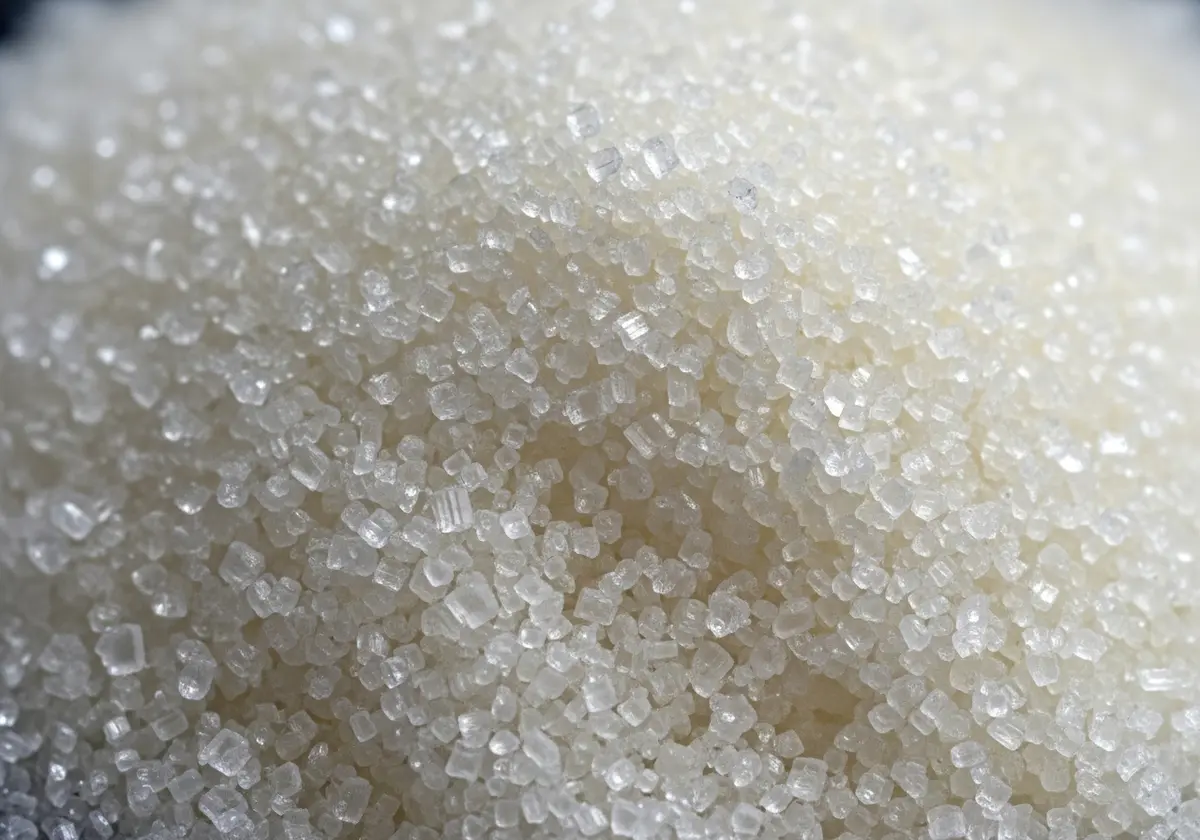
What ICUMSA 100-150 Means in Procurement
ICUMSA is the International Commission for Uniform Methods of Sugar Analysis. In commercial conversation, the number generally refers to color measured in ICUMSA units (IU). A lower number indicates a whiter appearance under the applicable test method. An ICUMSA 100-150 offer should therefore state the agreed color range or maximum, the test method, and whether the result is an average, a typical value, or a contractual limit.
Color alone does not tell a buyer whether sugar will dissolve efficiently, remain stable in storage, or meet a finished-food formulation. Ask for the full analysis and connect each limit to your process. A confectionery plant may prioritize grain size and moisture, while a beverage blender may focus on dissolution and microbiological controls.
Typical commercial specification to discuss
| Parameter | Common discussion point | Why it matters |
|---|---|---|
| ICUMSA color | 100-150 IU maximum or agreed range | Visual appearance and customer specification |
| Polarization | Often 99.5% minimum, subject to offer | Sucrose concentration and yield |
| Moisture | Commonly 0.05-0.10% maximum | Caking, flow, and storage performance |
| Ash | Contract-specific maximum | Mineral residue and process consistency |
| Reducing sugars | Contract-specific maximum | Color development and stability |
| Grain size | Fine, standard, or coarse agreed in advance | Dissolution, conveying, and packing |
| Packaging | 25 kg, 50 kg, or big bag | Handling and warehouse equipment |
| Origin | Confirmed per shipment | Traceability, documents, and planning |
These are buying parameters, not a universal standard. The quotation should identify the actual specification, tolerances, and testing arrangement.
Match the Grade to the Application
ICUMSA 100-150 is often considered for table sugar, bakery ingredients, dry mixes, sauces, dairy preparations, and beverages where a bright product is desirable but a tighter white-sugar color specification is unnecessary. It may not be the right choice for every application. A high-clarity beverage or pharmaceutical process may require a different grade, tighter microbiological controls, or customer-approved documentation.
Before requesting a price, record the product’s role in your formula. Is it a direct ingredient, a processing aid, or a resale item? Note annual volume, monthly call-off, destination port, preferred bag size, pallet policy, and whether your receiving site can unload containers safely. These details help a supplier propose a workable program rather than a nominal price for an undefined cargo.
How to Compare an ICUMSA 100-150 sugar supplier
The best comparison is based on comparable delivered specifications. First, request a current technical data sheet and a recent certificate of analysis for the proposed origin or production lot. The document should identify sampling date, laboratory or inspector, lot reference, and test results. A generic brochure can introduce the product, but it cannot replace shipment-specific evidence.
Second, clarify who controls the export chain. MC INTERNATIONAL can coordinate with qualified mills and partner companies where appropriate, while the responsible commercial party should remain clear in the contract. Ask whether the cargo is consolidated, who books freight, which party provides export documents, and how claims are handled.
Third, compare the total landed process, not only the commodity line. Freight, destination charges, insurance, inspection, banking costs, inland delivery, and storage can change the economics of similar offers. No responsible supplier should promise a fixed delivered cost without knowing destination, shipment window, and terms.
Questions to put into the RFQ
- What color limit and method apply to the offered sugar?
- Which polarity, moisture, ash, and grain-size limits are contractual?
- Is the result verified by an independent inspection company at loading?
- What packaging, net weight tolerance, and marking are available?
- What is the shipment window and minimum order quantity?
- Which documents accompany the cargo, and can destination requirements be reviewed before booking?
Inspection and Sampling
Pre-shipment inspection is useful when the contract defines what is inspected and how a result affects acceptance. The parties can agree that an independent surveyor samples representative bags or bulk cargo at loading, seals reference samples, and issues a report covering the agreed parameters. The buyer should still confirm whether its market requires additional testing on arrival.
Sampling matters because a single convenient bag is not necessarily representative of a full container or vessel lot. Agree on the number and location of samples, composite-sample preparation, laboratory method, and retention period. Also clarify the procedure for a disagreement: duplicate sample, second laboratory, time limit for notice, and cost allocation. These clauses are more useful than vague language such as “best quality.”
Packaging deserves equal attention. Sugar is hygroscopic and can absorb moisture from humid air. Confirm that bags are clean, properly sealed, clearly marked, and suitable for transit and warehouse conditions. At destination, inspect for wet or damaged bags, foreign odor, infestation evidence, and caking before moving cargo into storage.
Documentation and Import Readiness
An offer is not import-ready until the documents are mapped to the destination. Depending on the route and buyer, the file may include a commercial invoice, packing list, bill of lading, certificate of origin, certificate of analysis, health or phytosanitary documents where applicable, fumigation evidence where required, and inspection documentation. Import rules differ, so the buyer or customs broker should validate the requirements before shipment.
The product label and marks should match the invoice and packing list. Confirm the consignee, lot number, net weight, production or packing date, and country-of-origin wording. If sugar will be repacked or sold under a private label, establish who supplies compliant artwork and who bears responsibility for the final market label.
Practical Buyer Checklist
- ☐Define application, annual volume, destination, and preferred delivery term.
- ☐Request a complete technical specification, not only “ICUMSA 100-150.”
- ☐Review a recent certificate of analysis and confirm its lot reference.
- ☐Agree color method, sampling plan, tolerances, and claim process.
- ☐Specify bag size, palletization, marks, and net-weight expectations.
- ☐Check container cleanliness, moisture protection, and warehouse capacity.
- ☐List required origin, health, inspection, and customs documents.
- ☐Compare landed cost assumptions and shipment timing.
- ☐Approve a pre-shipment sample or reference standard where appropriate.
- ☐Put the final specification and remedy for non-conformity into the contract.
For a product overview, see our ICUMSA 100-150 sugar supplier page. Buyers planning container programs can also review the sugar logistics and moisture-control guide.
Frequently Asked Questions
Is ICUMSA 100-150 a complete sugar specification?
No. It primarily describes a color range or limit. Polarity, moisture, ash, reducing sugars, grain size, microbiological requirements, packaging, and documentation must be agreed separately.
Can this sugar be used directly in food production?
Potentially, depending on the buyer’s recipe, local rules, and the complete certificate of analysis. The receiving manufacturer should approve the specification and conduct its own suitability review before routine production.
Should I ask for SGS inspection?
Independent inspection can provide useful evidence at loading, especially for larger or first-time programs. It is most effective when the contract defines sampling, methods, and remedies rather than naming an inspector without a clear scope.
What shipment size should a first-time buyer request?
That depends on demand, warehouse capacity, and destination rules. A trial container or smaller agreed program can help validate handling and dissolution before a larger call-off, subject to supplier and freight availability.
Does MC INTERNATIONAL manufacture all offered sugar?
No. MC INTERNATIONAL produces products it sells and also works with qualified partner companies where relevant. The supplying origin, producer, and documentation are confirmed for each offer.
Request a Verified Offer
Send your destination, target volume, packaging, application, and required delivery window to sales@mcispcoltd.com or WhatsApp +66 99 437 2193. Our team can discuss available specifications and coordinate a quotation; final suitability, import compliance, and acceptance criteria remain matters for the buyer to approve in the contract.